

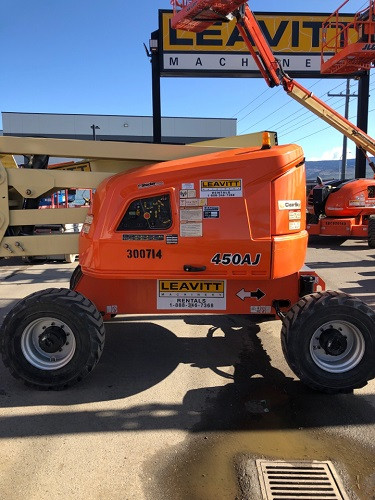


The Advantages of Utilizing a Man Lift
Man lifts offer a safe and easy method to repair problems at places which are very high to reach by other means. Mechanical lifts allow employees to lift safely to a high work location. Often, man lifts are utilized by construction and service personnel to perform work on light poles, buildings and other places which are too up high to reach by other means.
Safety
The main factor when operating a man lift is of course taking safety into account. Ladders are not a practical choice for extreme heights and hence man lifts are the ideal option for these areas. Most of these machines are equipped with safety rails and emergency shut-off switches to make worker safety a main concern.
Range
Man lifts could reach certain heights that other machines cannot reach. This equipment was initially utilized to pick fruit, but has evolved to take on other tasks. Like for example, they are commonly used for changing light bulbs and to do finishing work in the construction industry. Typically, man lifts could reach heights of 20 to 100 feet.
There are smaller man lifts which could operate indoors to carry out jobs in places such as big office buildings, hotels and sports arenas. They are capable of being powered with electricity. This eliminates the noxious fumes and the hazards associated with them.
Engine-Powered Boom Lifts
If personnel need to be transported to their height destination quickly and efficiently, an engine-powered boom lift is the answer. Boom lifts provide a wide range of mobility. These machinery are also capable of being moved in various directions. Boom lifts can also easily fit into narrow spaces. Each "joint" in the boom lift is controlled to adjust to different heights to be able to place the worker precisely where he or she needs to be in order to get the job done. The engine power system is what enables boom lifts to reach their full elevation quickly. Firefighters often make use of engine powered boom lifts when there are on a rescue mission and need to rapidly ascend to heights.